PoE Devices · Splitter
PoE splitter: PoE in, device power out
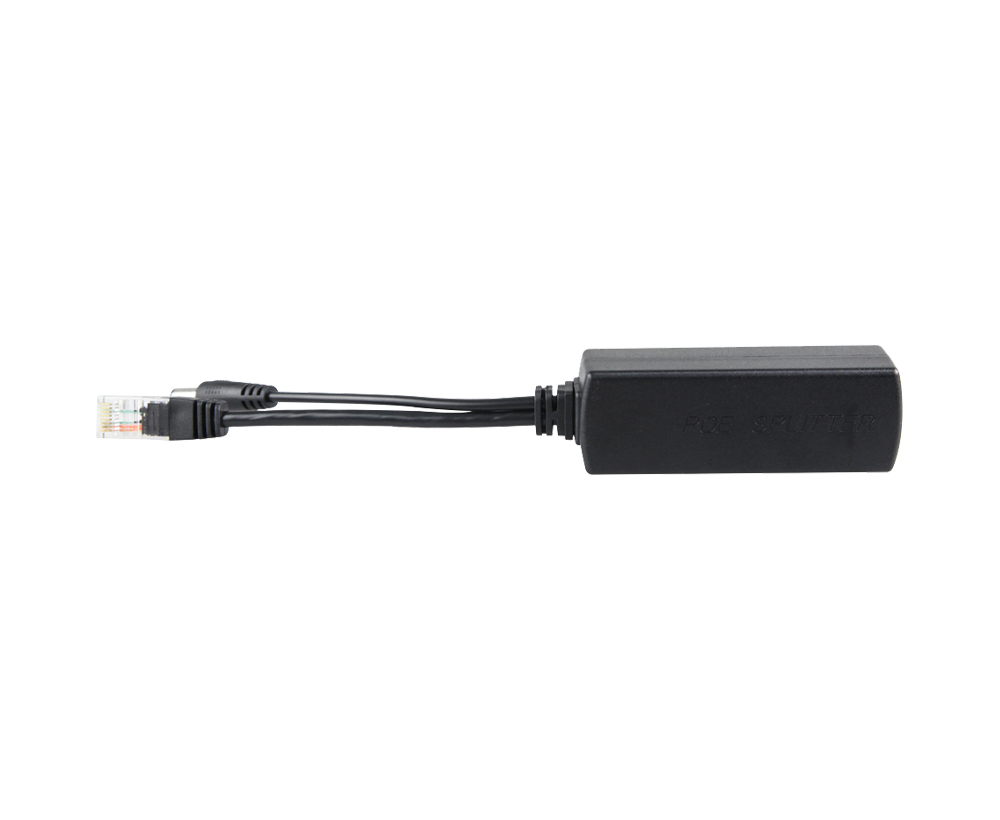
The splitter is the injector's mirror: at the device end of a PoE run, it separates the line back into plain Ethernet data and a DC power output for equipment that has no PoE port.
PoE Devices · Splitter
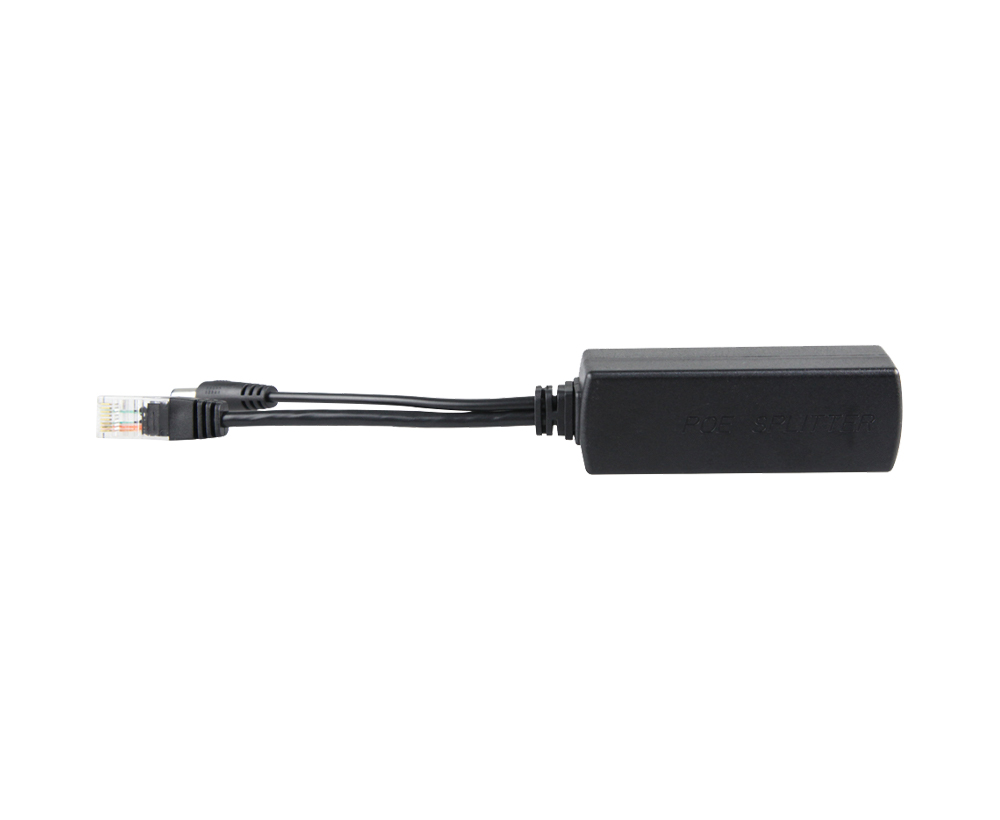
The splitter is the injector's mirror: at the device end of a PoE run, it separates the line back into plain Ethernet data and a DC power output for equipment that has no PoE port.
Plenty of field devices predate PoE or never adopted it — a non-PoE camera, a sensor gateway, a small display, an older access point — yet the cabling economics of running one Ethernet line to them are unbeatable. A PoE splitter closes the gap: PoE comes in on the cable, and the splitter hands the device an ordinary Ethernet port plus a DC barrel output at the voltage class the model provides.
ONV's splitter range in the PoE Devices catalogue covers the standard cases: 10/100M splitter cables for small loads, gigabit splitters, and a gigabit bt-input splitter for higher-power separations. The featured gigabit model's datasheet shows the pattern — af/at input, support for both standard pinout modes, a DC5521 output socket and a 104 × 50 × 29 mm body.
Splitter models from the PoE Devices catalogue (official product names).
| Model | Official product name |
|---|---|
| ONV-PD5201 | 10/100M PoE splitter cable |
| ONV-PD5202-at | 10/100M high-power PoE splitter cable |
| ONV-PD5202 | 10/100M PoE splitter cable |
| ONV-PD3301S | Gigabit PoE splitter |
| ONV-PD3401G-12/24 | Gigabit BT PoE splitter |
The ONV-PD3301S: gigabit PoE in (IEEE 802.3 af/at, both pinout modes), plain gigabit data out, and DC power out via a DC5521 socket — the standard splitter pattern.
| Parameter | Datasheet value |
|---|---|
| Input | Gigabit PoE in, IEEE 802.3 af/at |
| Output | Gigabit data + DC via DC5521 socket |
| Power pins | 1/2 (+), 3/6 (-) and 4/5 (+), 7/8 (-) |
| Dimensions | 104 × 50 × 29 mm |
Two numbers decide the splitter: the device's DC voltage and its current draw. Match the splitter model's output class to the device label exactly — a 12V device on a 24V output is a repair bill. Then confirm the input side can supply it: the switch port's class (af/at/bt) must cover the splitter's output plus conversion losses. For devices with a PoE option in their own range, compare honestly: a native PoE device often costs less than device + splitter + the maintenance of both.
Non-PoE cameras and legacy devices on new cabling, sensor and IoT gateways, small displays and kiosks, and mixed estates being migrated to PoE infrastructure gradually.
Input class and output are separate specs: the splitter must accept the input class offered and output the device's voltage within its current rating. The bt-input splitter in the range exists for higher-power separations — confirm the exact model's output in its datasheet.
If a reliable outlet exists at the device and the cable is only carrying data anyway, the adapter is simpler. The splitter wins where outlets are absent, distant or untrusted — the whole point of the single-cable run.
Send your port count, per-port power and uplink requirements — we reply with the exact models, datasheets and a quotation. MOQ and lead time are confirmed per model and order scope in the quotation.
High-power sources for splitters.
Where splitters fit the system.